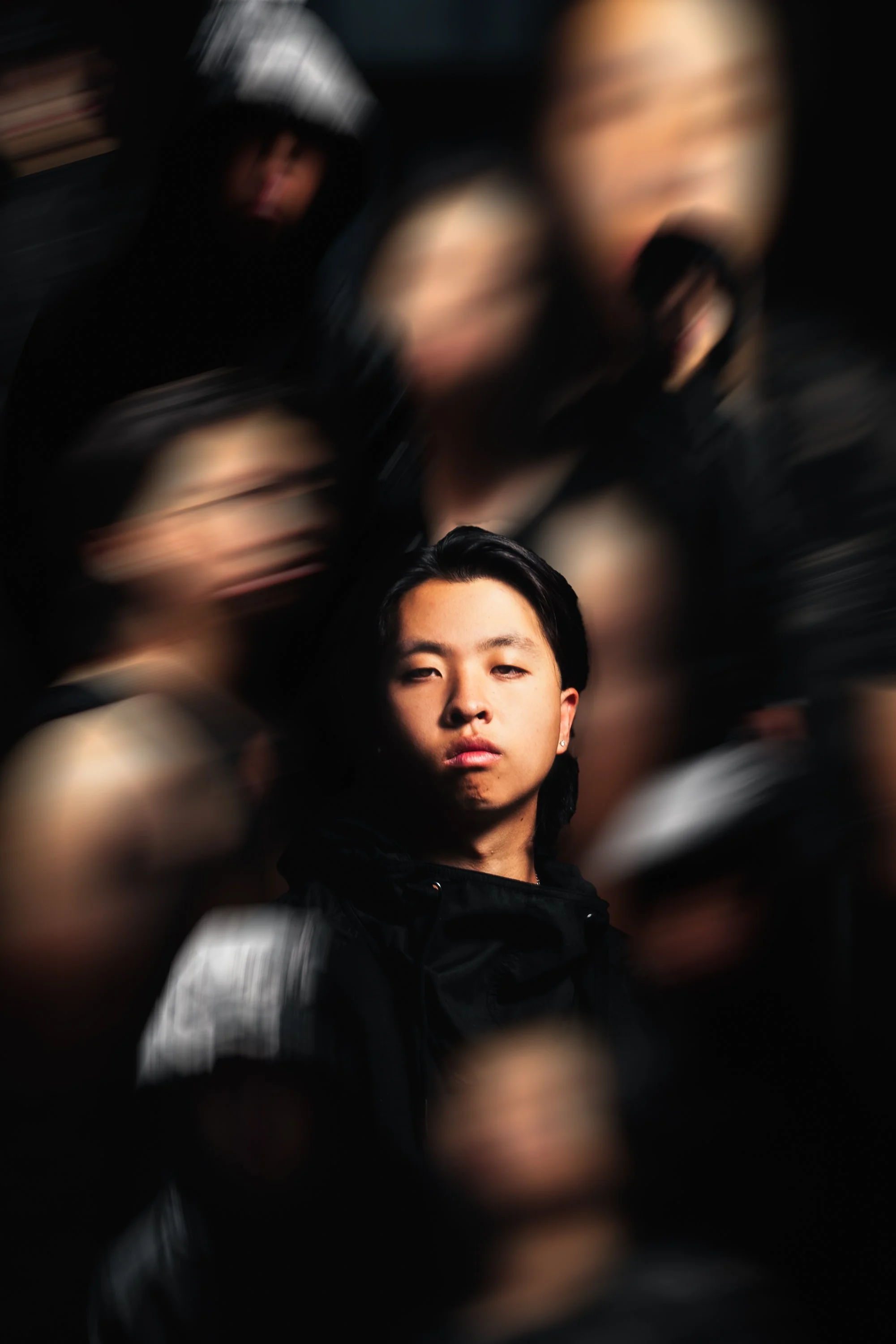
Pictured: Wes Hu Press Photography in RiNo, CO. Jessica Dnea Imagery
Press photography is where the music starts becoming visible.
Before someone listens to a full song, they may see the artist in a booking email, festival announcement, article, website, social post, streaming profile, or electronic press kit. That first image is already communicating something. It tells people whether the project feels intentional, current, professional, playful, heavy, polished, experimental, approachable, or completely forgettable.
The photo does not need to explain every part of the artist. It does need to feel connected to the music and the direction of the project.
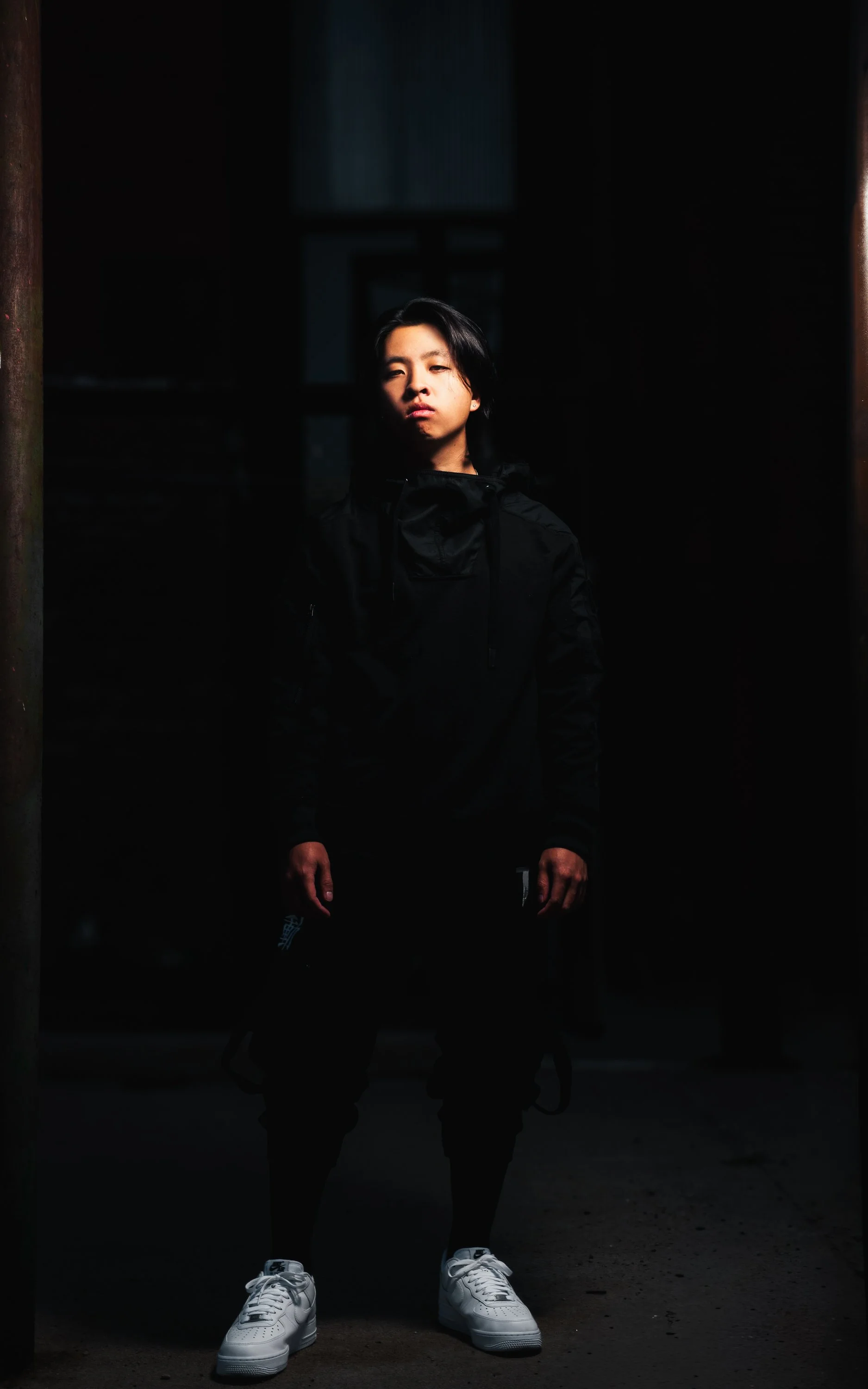
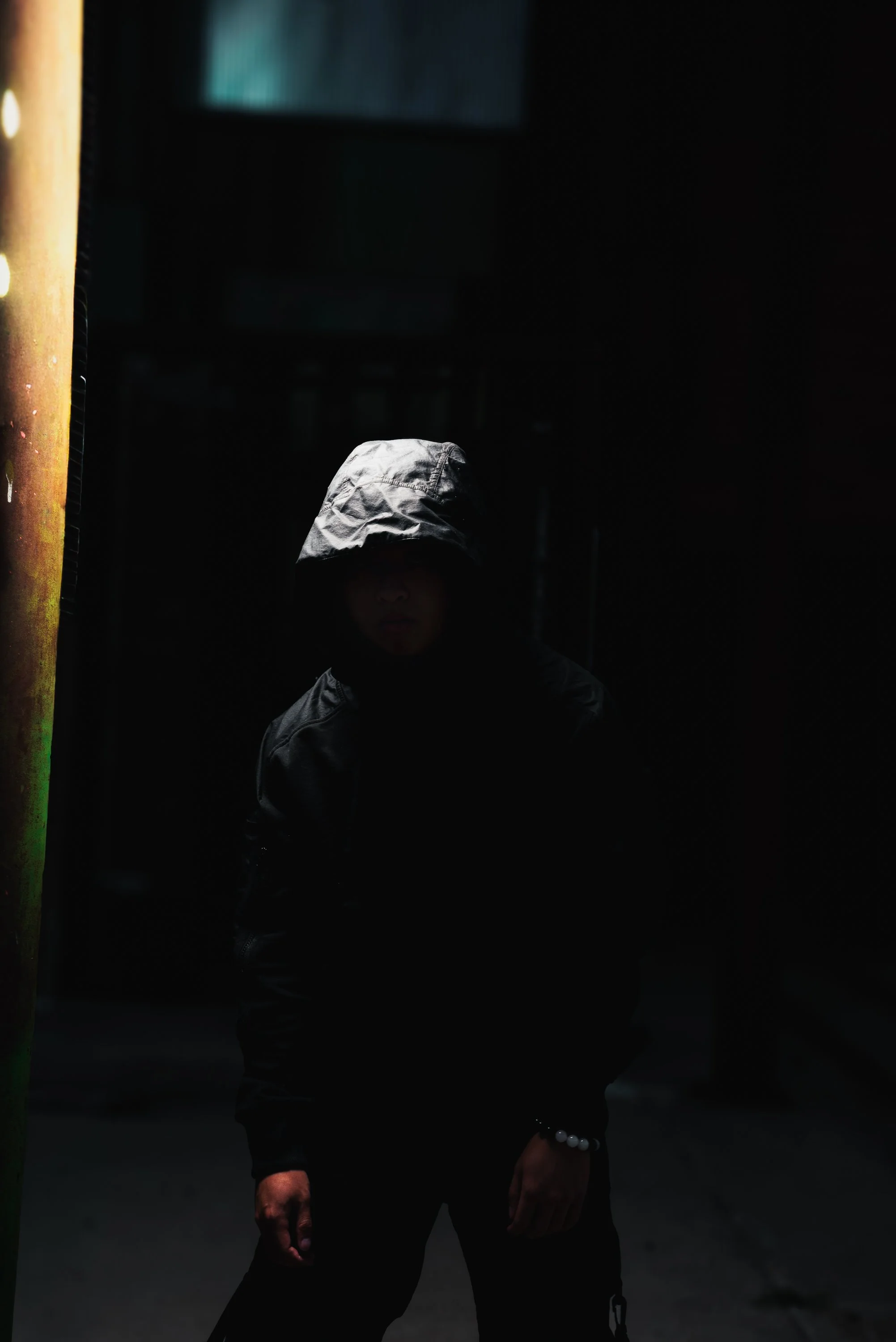
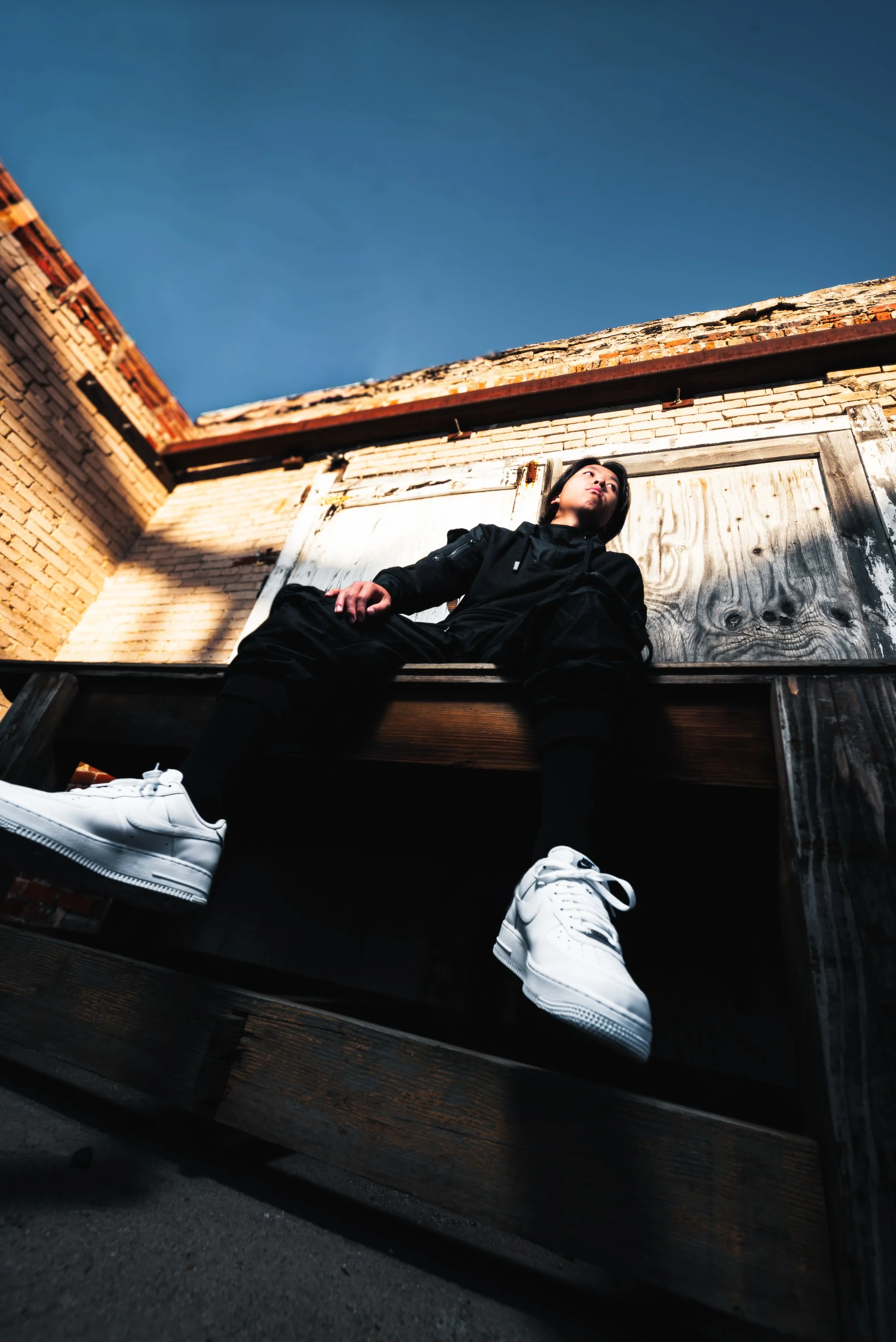
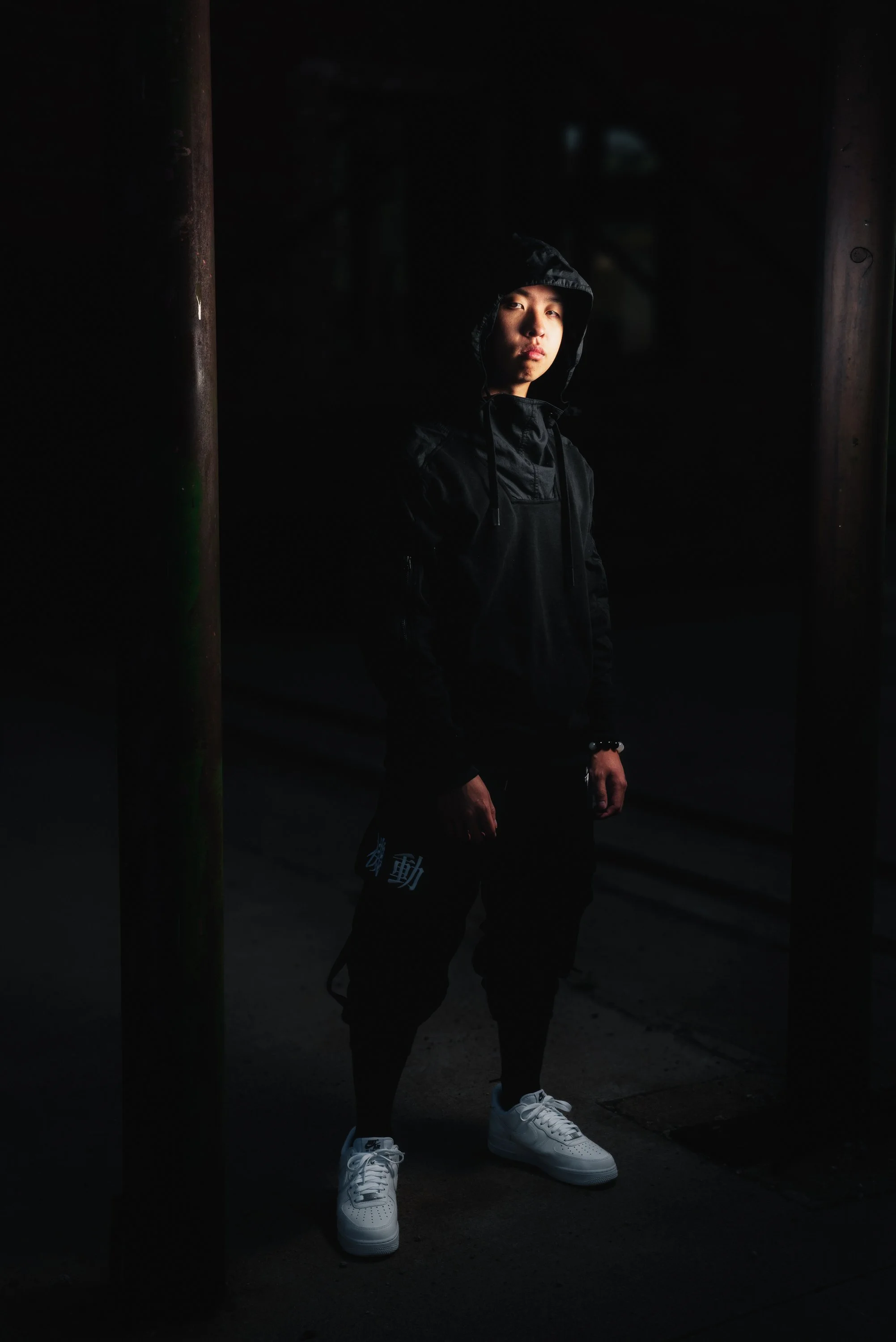
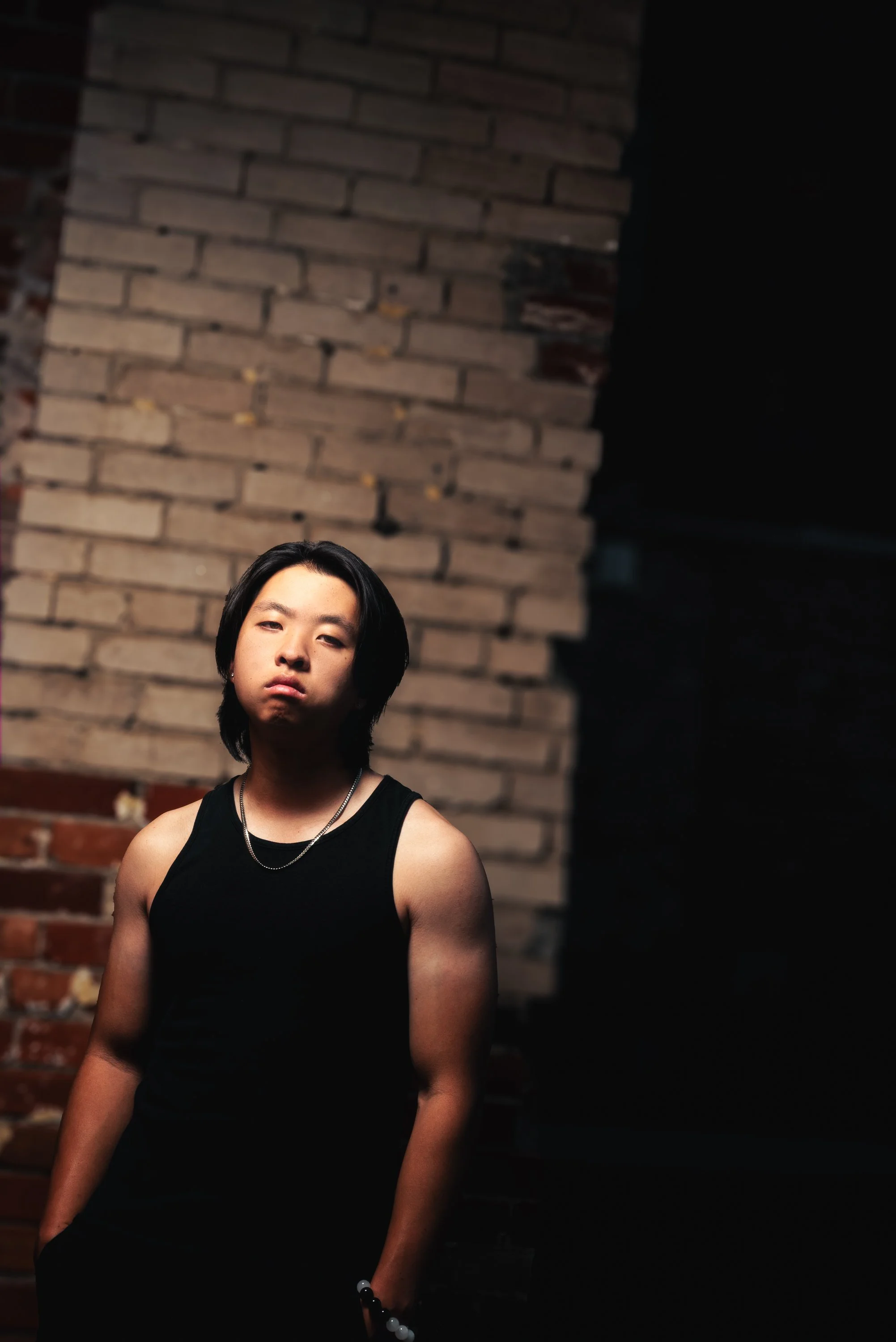
This session with Wes Hu was one of my 45-minute on-location musician press sessions in Denver. We photographed around RiNo using rusted steel, distressed brick, industrial structures, fencing, hard directional light, and deep shadow.
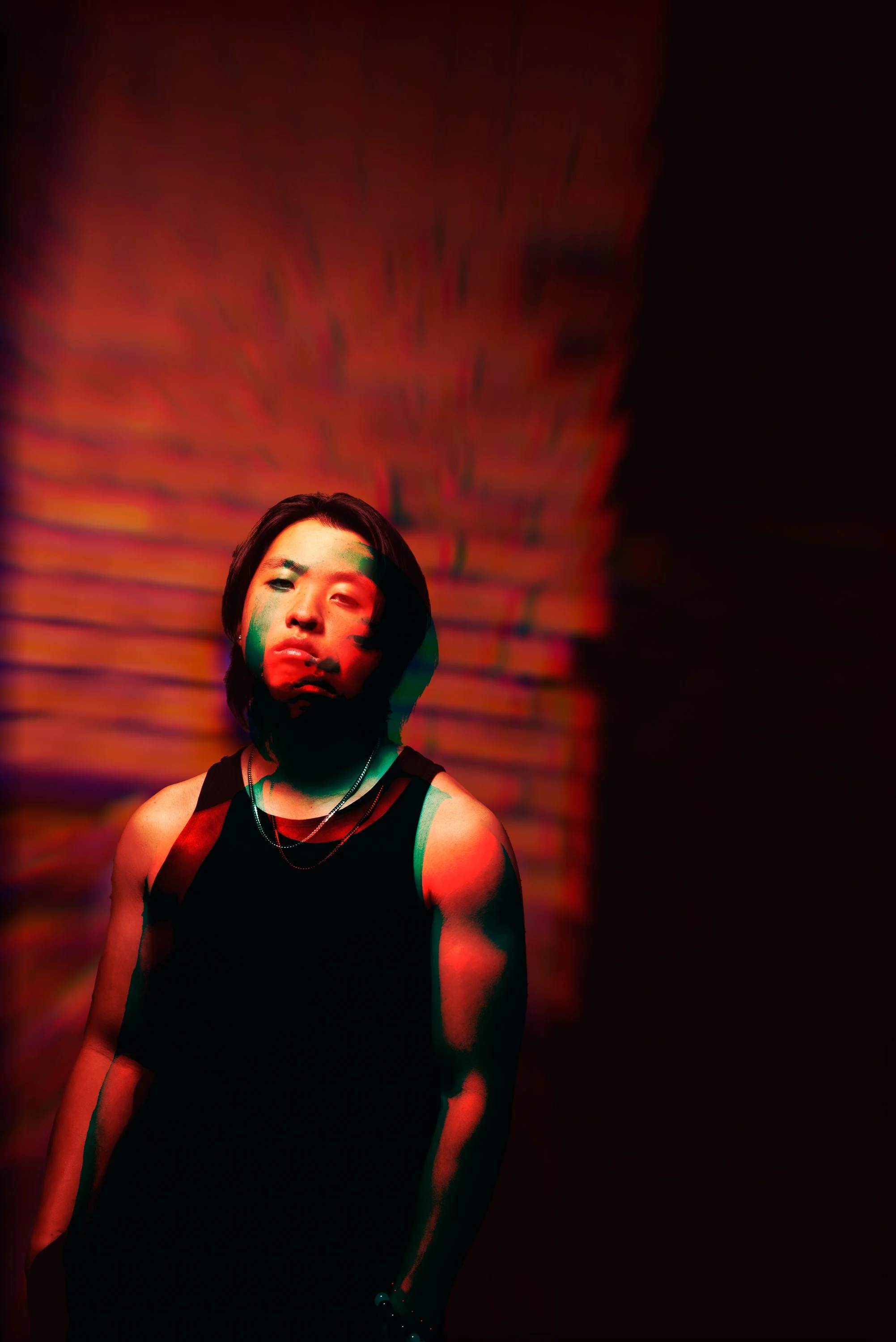
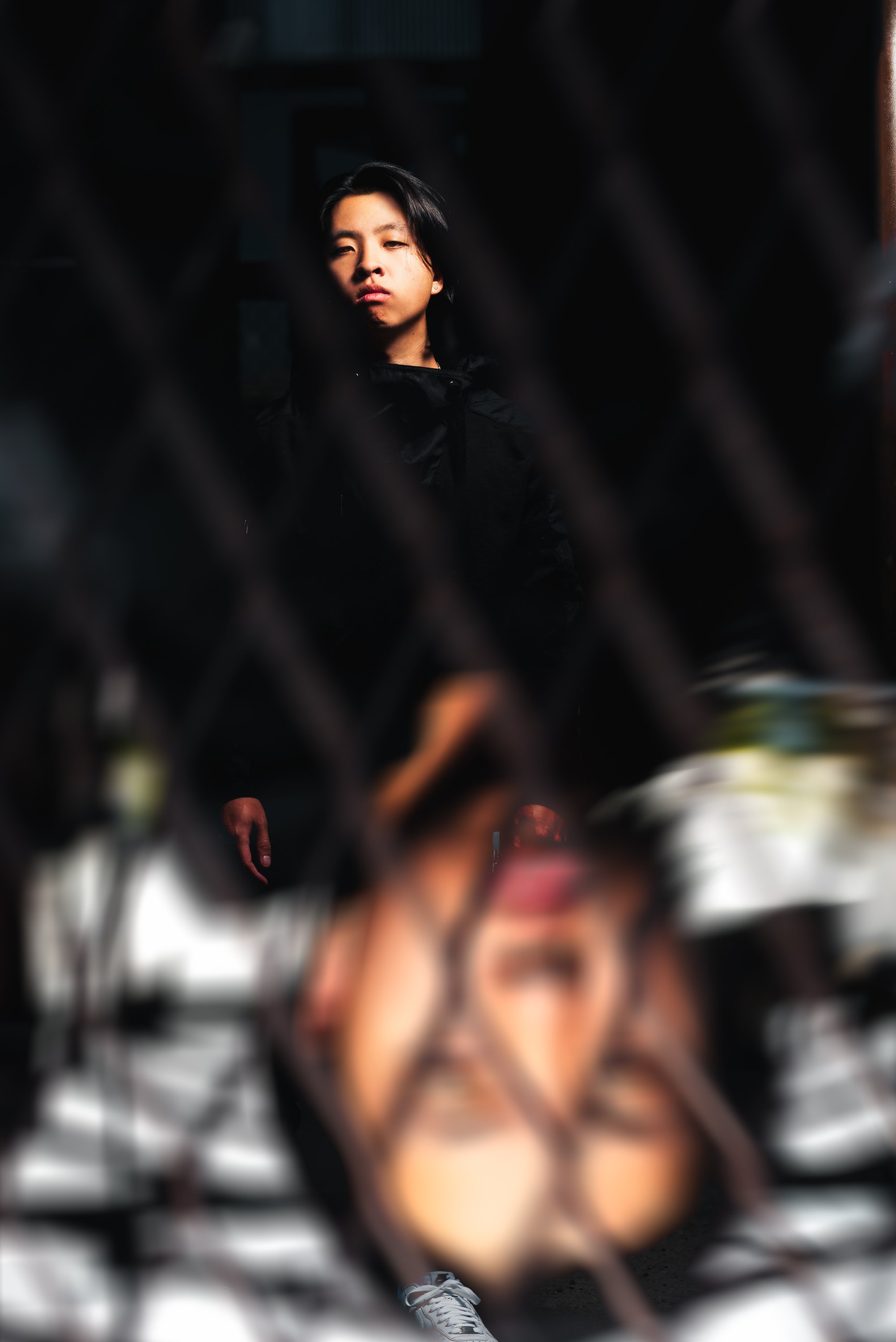
Wes brought two closely connected black looks, which allowed us to keep the visual identity consistent while changing the shape, texture, and energy of the photos. The final set feels dark, focused, modern, and industrial, with a mix of full-body portraits, tighter promotional images, vertical compositions, wide environmental frames, and more experimental angles.
What is a musician press photo session?
A musician press session is built around how the images will be used.
These are not just nice portraits to post once and forget about. Press photos can support:
Electronic press kits
Artist websites
Streaming profiles
Booking submissions
Release announcements
Festival and venue promotion
Interviews and publications
Social media
Posters and show announcements
Management, label, and publicist materials
A strong press gallery gives the artist options. One publication may need a vertical portrait. A venue may need a wide horizontal photo for a show announcement. A website may need a clean hero image with room for text. Social media may need close crops, full-body images, and multiple orientations.
That range needs to be considered while we are shooting. Cropping one photo seven different ways is not the same as intentionally creating a useful gallery.
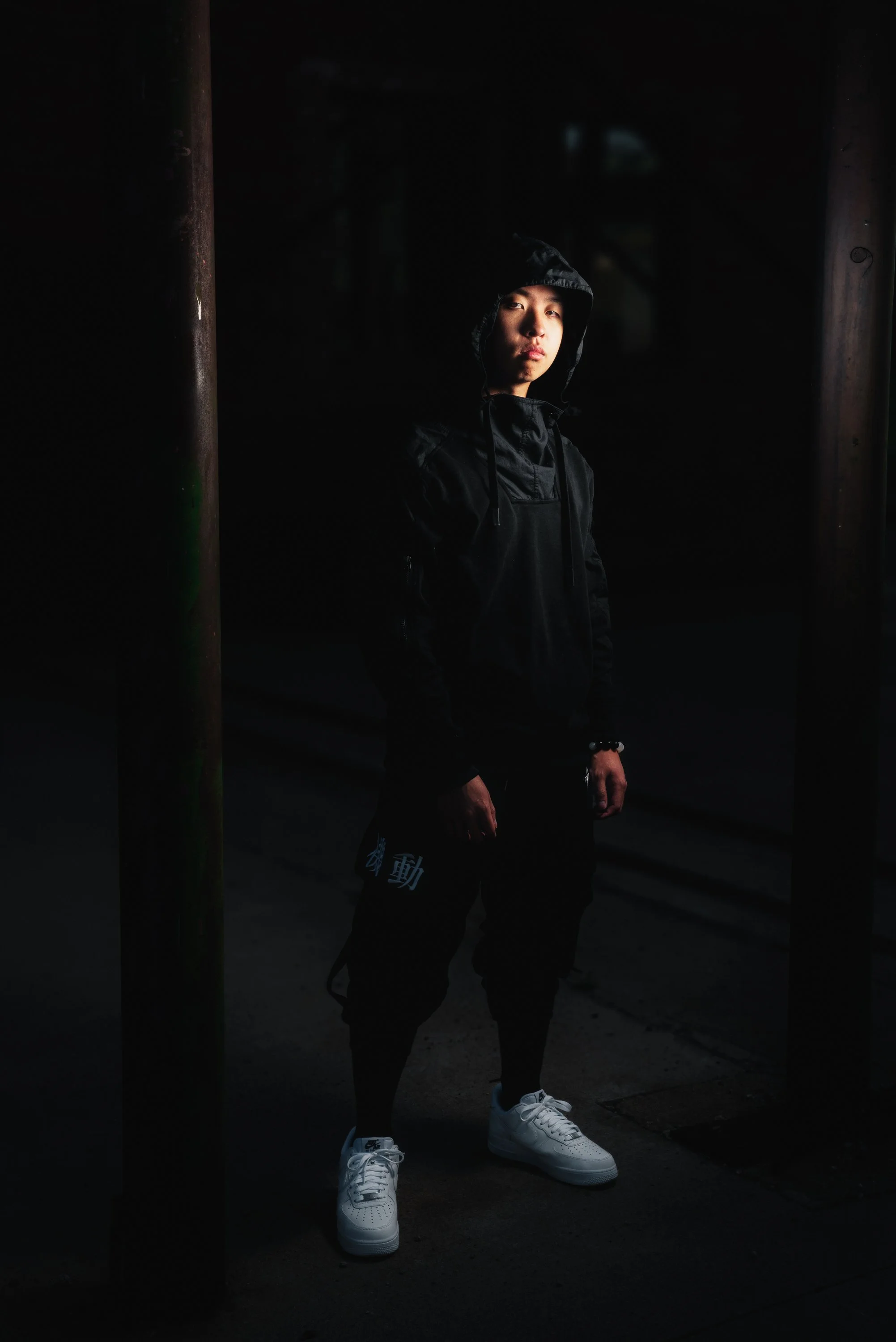
Pictured: Wes Hu Press Photography in RiNo, CO. Jessica Dnea Imagery
Why did we choose RiNo for this press session?
RiNo works well for musician press photography because the area has a lot of visual variety packed into a relatively small space.
There are industrial buildings, painted walls, exposed brick, metal structures, alleys, fencing, loading areas, clean architecture, colorful murals, and pockets of dramatic light. Depending on the artist, RiNo can feel gritty, modern, artistic, polished, urban, colorful, or stripped down.
For Wes, I focused on the darker industrial side of the neighborhood.
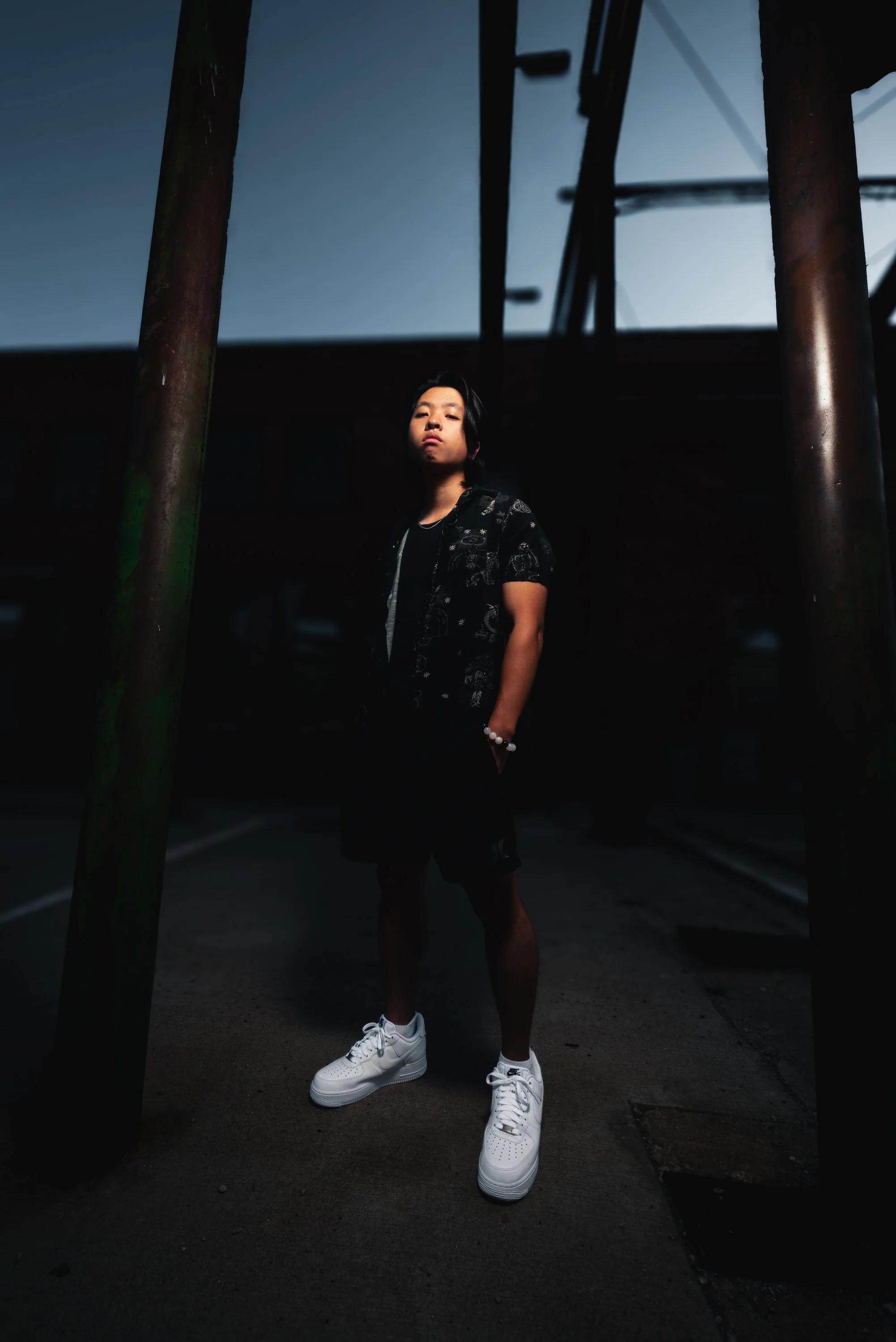
The rusted columns and worn brick added texture around the black wardrobe. The open structures gave us strong lines and unusual framing. The harder sunlight created controlled highlights across his face while the surrounding shadows kept the images dramatic.
The location supported the styling. Nothing felt random or disconnected from the visual direction.
What can we create during a 45-minute press session?
Forty-five minutes is enough time to build a focused press gallery when the session has a clear direction.
It is not designed for six outfits, three neighborhoods, an elaborate prop setup, and a full identity crisis halfway through the shoot. It works best for a solo artist who needs a professional set of images with one strong visual concept.
For this session, we used:
Two connected wardrobe variations
Several small areas within the same general location
Full-body, mid-length, and close portraits
Vertical and wider compositions
Direct poses and more experimental framing
Natural light combined with intentional directional lighting
The wardrobe stayed cohesive, so moving from a patterned shirt and tank top into the black technical jacket did not make the gallery feel like two unrelated shoots.
The location and lighting created the variety.
How should a musician prepare for press photos?
Start by deciding what the images need to communicate.
Choose three words that describe the artist or the current project. They could be dark, energetic, soft, strange, polished, raw, nostalgic, futuristic, playful, aggressive, intimate, colorful, or controlled.
Those words should help guide the location, wardrobe, lighting, expressions, posing, and editing.
You should also know what is happening during the next several months. Are you releasing a single? Building an EPK? Pitching venues? Looking for management? Launching a new project? Updating an old artist profile? Announcing a tour?
The photos should support the work you are preparing to do.
Before the session:
Send visual references
Explain what the images will be used for
Share any release artwork or existing branding
Bring complete outfits, including shoes and accessories
Make sure clothing is clean and fits correctly
Arrive ready to photograph
Tell your photographer about any deadlines
Mention possible label, album artwork, merchandise, or paid advertising use
Good preparation does not mean copying another artist’s campaign. References help us understand the lighting, energy, styling, color, and mood you are responding to. From there, we build something that belongs to you.
What should musicians wear for press photos?
Wear clothing that feels connected to your normal identity while still showing intention.
Your press photos should not look like you were dressed by a stranger for a character you will never play again. They also should not look like you grabbed the first shirt from the floor because the photographer was already outside.
Fit, shape, texture, layering, and movement all matter.
Black can work beautifully, but black clothing is not automatically easy to photograph. If the lighting is flat and the background is dark, the entire outfit can collapse into one black shape.
For Wes’s session, the clothing had enough structure and texture to hold detail. The patterned shirt, technical jacket, hood, zippers, seams, chain, bracelet, and white shoes gave the light something to define. The white shoes also created a strong visual anchor in the wider photographs.
When planning an all-black look, consider:
Mixing matte and reflective materials
Adding visible layers
Choosing clothing with structure
Using accessories carefully
Creating separation between the outfit and background
Making sure the silhouette still reads clearly
Logos can work when they are intentionally part of the artist’s image. Large accidental branding can pull attention away from the person and create complications for future promotional use.
Should press photos match the music?
They should feel like they belong to the same project.
That does not mean the visual direction needs to interpret every lyric literally. A sad song does not require standing in the rain. Heavy music does not require fake blood and a graveyard. An electronic artist does not need to hold a glowing cube.
The relationship can come through color, styling, setting, body language, lighting, composition, and expression.
Photography gives the audience visual context for the sound. When the music, artwork, press photos, website, stage presence, and promotional materials all feel connected, the artist becomes easier to understand and remember.
That consistency is part of building an identity.
Why are professional press photos important for new musicians?
New musicians are often asking strangers to take them seriously before they have a long history of numbers, press coverage, sold-out rooms, industry relationships, or major credits behind them.
Presentation matters.
Professional photography cannot make weak music good. It can communicate that the artist has invested in the project, understands the direction, and is prepared to be promoted.
A blurry phone photo, an old group picture, a live screenshot, and three unrelated selfies force everyone else to work harder. The venue has to find something usable. The writer has to request another image. The promoter has to build a graphic around a file that was never meant to be printed or published.
Make it easy for people to work with you.
Your press photos should be current, organized, high quality, clearly credited, and ready to send.
What is an EPK?
An EPK is an electronic press kit: one organized place where someone can quickly understand the artist, hear the music, see professional photos, review relevant accomplishments, and find contact information.
It is commonly used when reaching out to venues, promoters, festivals, publications, booking contacts, potential managers, publicists, labels, and collaborators. Berklee’s current booking guidance recommends sending venues an artist introduction along with an EPK or one-sheet so promoters can hear the music and review previous performances when deciding whether the act fits the venue.
An EPK should save people time. Nobody should need to search five social platforms, request access to a private folder, and email twice just to find a usable photo.
What should musicians include in an EPK?
A strong EPK can include:
Current press photos
Include a small, edited selection of professional images. You do not need to upload eighty nearly identical photos.
Provide:
A primary hero image
A vertical portrait
A horizontal or wider image
A clean promotional option
One or two images with more personality
High-resolution and web-ready files
The photographer’s credit line
Artist biography
Include more than one length.
A short biography is useful for event listings, introductions, and quick promotional copy. A longer version can explain the artist’s background, sound, influences, current project, and relevant history.
Keep it accurate. Do not describe yourself as internationally acclaimed because your cousin streamed the single in Canada.
Music
Provide direct links to your strongest current music.
Do not make the recipient dig through an abandoned profile to guess which song represents you. Lead with the release or tracks connected to the pitch.
Live video
A strong live video helps venues understand the performance, stage presence, sound, and audience experience.
Choose a recording that represents the current act. A shaky clip from four years ago with a different lineup does not help much.
Current release information
Include the release title, date, artwork, short description, credits, and relevant links.
Give people enough context to understand what you are promoting and why you are contacting them now.
Notable shows, press, and accomplishments
Include real, relevant information:
Recognizable venues
Festival appearances
Support slots
Press coverage
Radio play
Awards
Collaborations
Meaningful audience milestones
A short, strong list reads better than a giant paragraph packed with filler.
Contact information
Clearly list the correct contact for booking, press, management, licensing, or general inquiries.
Make sure the email works.
That sounds painfully obvious, but dead links and abandoned inboxes are everywhere.
Website and social links
Use active profiles that represent the artist well. Remove old links and update the EPK when platforms, usernames, releases, or band members change.
Technical information when relevant
A booking version of the EPK may also link to a stage plot, input list, hospitality information, or technical rider.
Keep that material organized and easy to locate.
What kinds of press photos should an artist have?
A useful press gallery should give you both consistency and range.
You need a recognizable visual identity, but every photograph should not be the same tight portrait with the same expression.
A strong set may include:
A close portrait for profiles and editorial use
A full-body image that shows styling
A wider environmental portrait
A vertical image for posters and stories
A horizontal image for websites and announcements
A photograph with negative space for text
A clean image that is easy for publications to use
A more creative image that carries the personality of the project
During Wes’s session, I moved between direct portraits, low angles, architectural framing, fencing, deep shadow, and wider industrial compositions. The styling and editing keep everything connected, but each photograph can serve a different purpose.
That is the difference between getting several good photos and building a usable press gallery.
How should press photos be organized?
Create one clearly labeled press folder.
Inside that folder, separate high-resolution images from smaller web-ready files. Use filenames that include the artist’s name, and place the photographer’s credit in a visible document or filename reference.
Include a simple note showing:
Artist name
Photographer credit
Contact information
Approved promotional uses
Any required credit language
Who to contact about additional licensing
Do not remove watermarks from preview images, screenshot the gallery, or send compressed social-media downloads to a publication.
Use the finished files provided by the photographer.
Can press photos be used for album covers, merchandise, or paid advertising?
Those uses may require additional licensing.
Standard promotional use and commercial release artwork are not automatically the same thing. Album covers, single artwork, physical releases, merchandise, paid advertising, label use, third-party brand use, and extended campaigns can carry different value and different terms.
Talk to the photographer before the images are used beyond the original agreement.
Clear licensing protects everyone. The artist knows exactly what is permitted. The photographer knows where and how the work will appear. Labels, designers, publicists, and management teams have written terms they can reference.
It is much easier to handle licensing before a campaign launches than after the artwork has been printed on 500 shirts.
When should musicians update their press photos?
There is no hard expiration date, but the images should still represent the current artist.
Update them when:
The lineup changes
Your appearance changes significantly
You begin a new release era
The music moves in a different direction
Your existing photos no longer match the brand
Your current files are low resolution
You have been using the same hero image everywhere for years
A label, manager, publicist, or publication needs something new
You do not need a complete visual reinvention every month. You do need current material when the project evolves.
What are some common press-photo mistakes new musicians make?
The biggest mistake is waiting until the last minute.
Do not schedule your first professional session three days before the release and expect the photographer, designer, writer, venue, and publicist to reorganize their lives around your emergency.
Other common problems include:
Choosing a location that has nothing to do with the artist
Bringing too many unrelated outfits
Copying another musician too closely
Using only live photos in the EPK
Forgetting to create horizontal images
Cropping every photo too tightly
Sending screenshots or compressed files
Using photos that no longer resemble the current lineup
Forgetting the photographer’s credit
Assuming every commercial use is included
Making industry contacts hunt for basic information
Leaving broken music or social links in the EPK
You are allowed to be new. You do not need to look careless.
Is a 45-minute press session enough for a musician starting out?
Yes, when the goal is focused.
A 45-minute on-location press session is a strong starting point for a solo musician who needs professional images for an EPK, website, release campaign, booking materials, and social media.
You do not need a giant production to begin presenting yourself professionally.
You need:
A clear visual direction
One or two strong looks
A location that supports the project
Enough image variety for different formats
Organized files
Clear usage rights
A plan for where the photos will go
This RiNo session with Wes shows how much range can come from one focused concept. We used the architecture, shadows, clothing, texture, and changing camera angles to build a gallery that feels consistent while giving him multiple ways to represent the project.
Photography is not decoration added after the music is finished.
It is part of how the music enters the world.
✌
Jessica Dnea
Check out Fro Know Photo on Youtube for really in-depth camera comparisons in your niche. I’m not endorsed or associated with Jared Polin in any way but I have learned a lot from him and maybe you can too.
Also check out mpb.comfor used gear. Again, I am not associated with mpb.com in any way but I have bought a lot of used gear from them and support photographers on a budget.